 Eseohe Ebhota-Akoma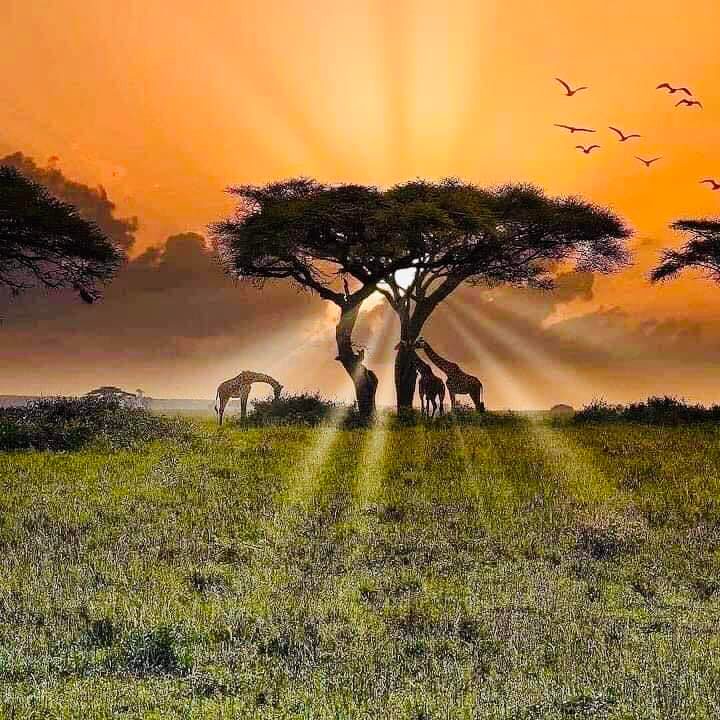
The Shift in Global Luxury Travel
For decades, luxury travel meant repeat destinations — the French Riviera, private islands in the Caribbean, penthouses in Manhattan, or ultra-modern escapes in the Middle East. But in 2026, the definition of luxury has evolved.
Today’s high-net-worth traveler is no longer impressed by overcrowded hotspots or predictable five-star stays. The new elite desire something rarer: privacy, authenticity, space, culture, and meaningful experiences.
And increasingly, they are finding all of that in Africa. Across the continent, Africa is redefining what luxury travel truly means. From ultra-private safari lodges to world-class beach retreats and culturally immersive city experiences, Africa has quietly become the most exciting luxury frontier in the world.
1. Exclusivity Is the New Status Symbol:
Luxury used to be about visibility. Today, it is about privacy.
In cities like Paris or Dubai, even five-star experiences now come with crowds. For elite travelers, exclusivity has become the ultimate currency.
Africa offers something different:
Private conservancies with limited guest access
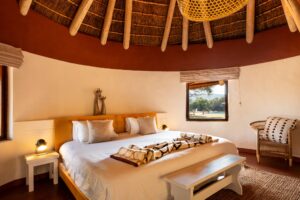
Remote lodges with only 5–10 suites
Entire beaches with barely another footprint in sight
In parts of Botswana and Tanzania, it is entirely possible to spend days on safari without encountering another vehicle. That level of privacy is nearly impossible in traditional luxury markets.
And that is precisely the appeal.
2. Private Safaris: The Ultimate Bespoke Experience
Safari has long been associated with Africa, but in destinations like Kenya and Tanzania, travelers now enjoy:
Dedicated private guides
Custom game drives based on personal wildlife interests
Helicopter transfers over dramatic landscapes
Champagne breakfasts in the bush
Conservation-led experiences with wildlife experts
Luxury in Africa is not mass tourism. It is curated, intentional, and deeply personal.
Unlike structured resort vacations, African safaris are tailored from arrival to departure. No two itineraries are identical.
That level of personalization defines modern luxury.
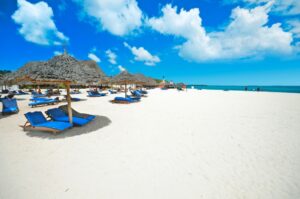
3. Coastal Luxury That Rivals the World’s Best
Africa’s coastline is one of its most underestimated luxury assets.
The white sands of Zanzibar, the crystal waters of Seychelles, and the refined resorts of Mauritius offer experiences that rival — and often surpass — traditional island destinations.
What sets these apart?
Fewer crowds
Larger private villas
Stronger cultural immersion
Authentic cuisine rooted in history
Luxury travelers are no longer just seeking beautiful views; they want a sense of place. Africa delivers both natural beauty and cultural richness in one seamless experience.
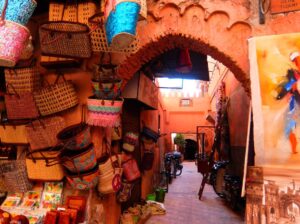
A beautiful street in Marrakech, Morocco
4. Culture Is the New Luxury
Modern affluent travelers crave connection. They want to understand a destination, not just observe it. In cities like Lagos, Cape Town, and Marrakech, luxury is expressed through:
Art galleries and creative districts
Culinary innovation blending tradition and fine dining
Fashion rooted in heritage
Music and nightlife with global influence
Africa’s cultural capital is unmatched. From Afrobeats to contemporary African art auctions, the continent is shaping global culture.
For global travelers, experiencing this energy firsthand has become a new status marker.

5. Eco-Luxury and Conscious Travel
Sustainability is no longer optional in the luxury sector — it is expected.
Africa leads the world in conservation-driven hospitality. Many luxury lodges operate on:
Solar power
Community employment models
Anti-poaching partnerships
Wildlife preservation programs
Travelers today want their spending to create impact. Africa’s tourism industry often directly supports local communities and conservation efforts.
This alignment of indulgence and responsibility is redefining high-end travel.
6. Ultra-Luxury Infrastructure Is Expanding
One of the biggest myths about Africa is that luxury infrastructure is limited. In reality, 2026 has seen significant growth in:
Private jet connectivity between major African cities
High-end boutique hotels
Branded international luxury hotel chains
Exclusive island retreats
Curated villa rentals
High-net-worth individuals are no longer “roughing it” on safari. They are enjoying spa treatments overlooking the savannah, infinity pools in the desert, and world-class wine estates in southern Africa.
The luxury ecosystem is not emerging — it is maturing.
7. Why 2026 Is the Tipping Point
Several factors are accelerating Africa’s luxury travel rise:
Growing global curiosity about underexplored destinations
Increased diaspora travel and investment
Improved aviation routes
A shift from mass tourism to meaningful travel
Rising demand for privacy after years of overtourism globally
Africa offers space. It offers authenticity. It offers scale.
And in a world where true exclusivity is rare, Africa remains one of the few places where luxury still feels undiscovered.
Conclusion: Africa Has Arrived
Africa is no longer a secondary option in luxury travel conversations. It is becoming the primary one.
The continent offers something the traditional luxury capitals can no longer guarantee — authenticity without compromise, exclusivity without isolation, and cultural richness alongside world-class comfort.
For global travelers seeking more than just a vacation, Africa represents the final frontier of refined, transformative luxury.
The question is no longer whether Africa can compete in the luxury space.
The question is whether the world is ready for what Africa has always had. Plan Your Luxury African Experience
At Crystalbeds Africa, we curate bespoke African journeys tailored to discerning travelers who value privacy, culture, and excellence.
Whether you envision a private safari, an island escape, or a culturally immersive city retreat, our team designs seamless, elevated travel experiences across the continent.
Let’s see the world together.