 Eseohe Ebhota-Akoma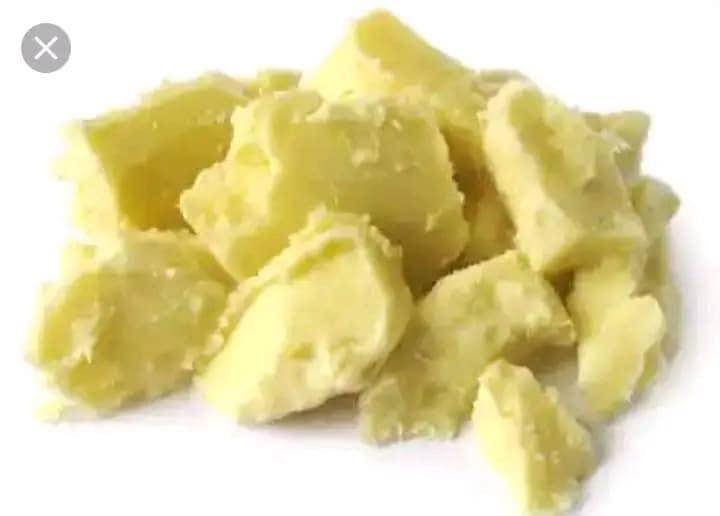
Across Africa, many everyday foods have quietly nourished communities for centuries. Today, these same ingredients are being celebrated globally as superfoods, featured in wellness stores, smoothie bowls, and health supplements around the world.
At Crystalbeds Africa, we love spotlighting the parts of Africa that travelers often overlook. From village farms to modern kitchens, African superfoods tell a powerful story of nature, nourishment, and longevity—and they’re an essential part of the African travel experience.
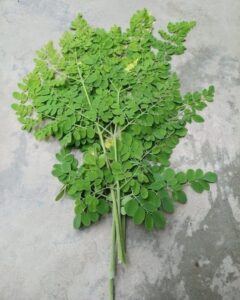
1. Moringa: The World’s Most Complete Plant
Often called the “miracle tree,” moringa leaves are rich in vitamins A, C, calcium, iron, and protein. Long used in soups and teas across Nigeria and East Africa, moringa is now a global wellness staple.
Why it matters to travelers: It supports immunity, fights fatigue, and helps your body adapt to new climates and routines.

2. Baobab: Africa’s Vitamin C Giant
Baobab fruit contains up to six times more Vitamin C than oranges. Traditionally used in drinks and porridges, it’s now sold worldwide as a powder for immunity and gut health.
Travel experience: You’ll often find baobab drinks sold fresh in African markets—refreshing, tangy, and deeply nourishing.
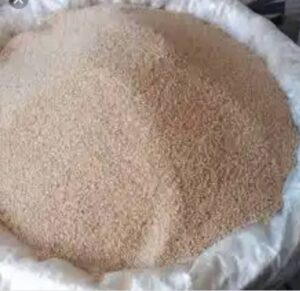
3. Fonio: The Ancient Grain Making a Comeback
Fonio is one of Africa’s oldest grains and is naturally gluten-free, rich in amino acids, and easy to digest. Once considered a local staple, it’s now praised globally as a clean, sustainable grain.
Why travelers love it: Fonio provides light but lasting energy—perfect for long sightseeing days.
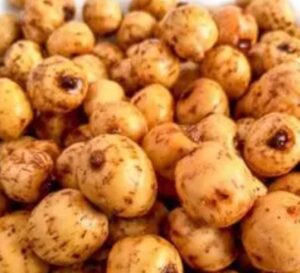
4. Tigernuts: Small Tuber, Big Benefits
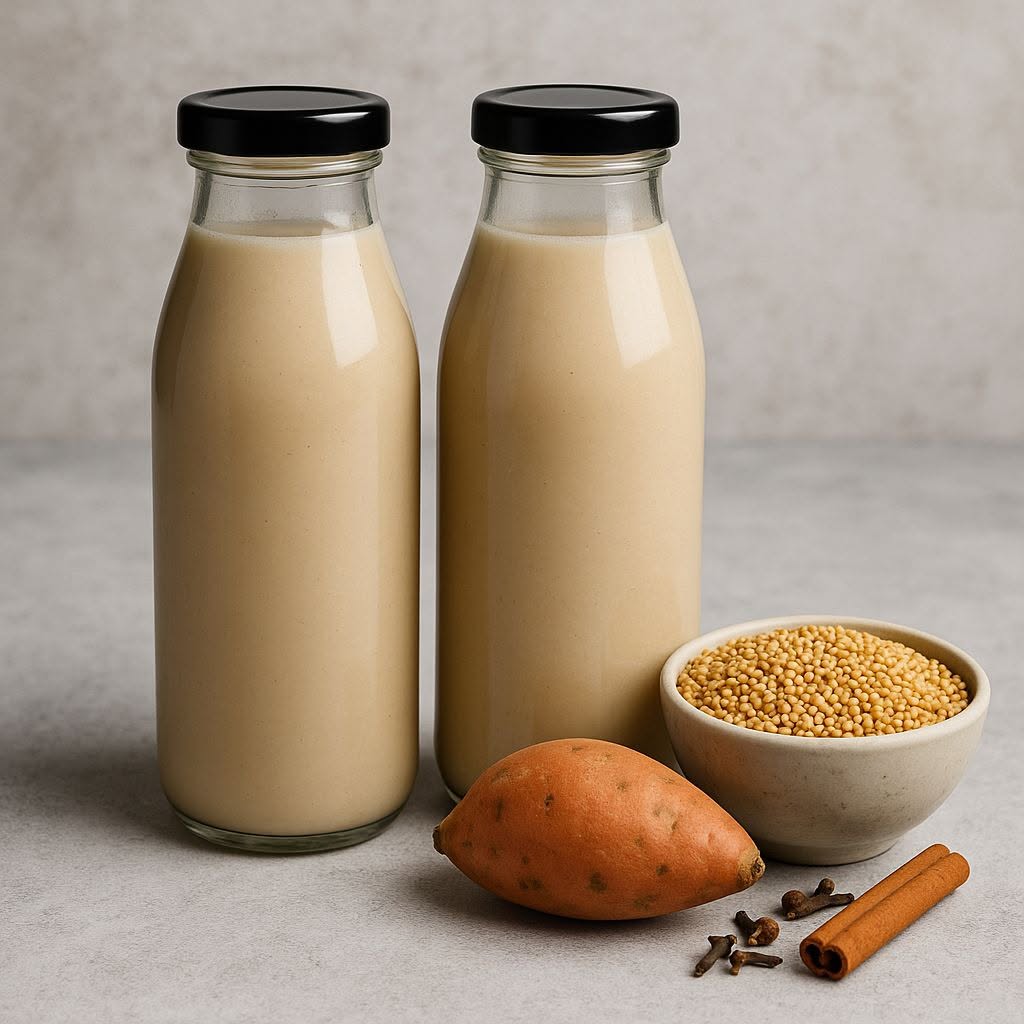
Despite the name, tigernuts are not nuts but tiny root vegetables packed with fiber, healthy fats, and minerals. Used traditionally to make drinks like kunu aya, they’re now popular worldwide for gut health.
On the road: Tigernuts are a healthy snack option you’ll find in many West African markets.
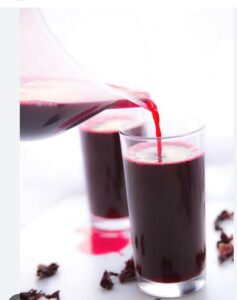
5. Hibiscus (Zobo): The Beauty & Immunity Drink
Known locally as zobo or sobolo, hibiscus tea is rich in antioxidants, supports heart health, and boosts immunity. Globally, it’s marketed as a detox and beauty drink.
Crystalbeds tip: Enjoy it chilled after a hot day of exploring—hydrating, healthy, and delicious.
6. Shea Nuts: Nutrition Beyond Skincare
While famous for skincare, shea nuts are also traditionally used in cooking in parts of West Africa. Shea butter contains healthy fats that support energy and overall wellness.
Cultural insight: This shows how African food and lifestyle are deeply interconnected.
Why African Superfoods Matter for Travelers
Traveling across Africa means eating foods that are fresh, minimally processed, and deeply nourishing. These superfoods don’t just support your health—they connect you to local culture, farming traditions, and ancestral wisdom.
At Crystalbeds Africa, we believe that wellness is part of the journey, not an afterthought.
In Summary
African superfoods are not trends—they are traditions. Long before global recognition, Africans were already living the wellness lifestyle the world is only now discovering. When you travel Africa, you’re stepping into a continent that has always known the value of eating well and living in balance.