 Eseohe Ebhota-Akoma
African cuisine is not only rich in flavor and culture—it is also deeply rooted in healthy cooking techniques passed down through generations. Long before modern kitchens and processed foods, African communities developed methods that preserved nutrients, enhanced flavor, and supported overall wellness.
At Crystalbeds Africa, we believe understanding how food is prepared is just as important as what is eaten—especially for travelers seeking wholesome experiences.
Why Traditional African Cooking Is Health-Focused
Traditional African cooking emphasizes:
-
Minimal processing
-
Fresh, local ingredients
-
Natural heat sources
-
Balanced use of spices and oils
These methods help retain nutrients while creating satisfying, nourishing meals.
1. Steaming: Preserving Nutrients Naturally
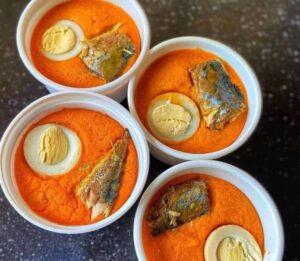
Steaming is widely used for foods like moi moi, okpa, and certain vegetables. This method avoids excess oil and helps retain vitamins and minerals.
Health benefit: Supports digestion and heart health.
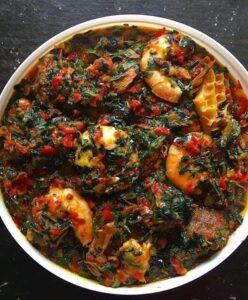
2. Slow Cooking and Simmering
Soups and stews such as ogbono, efo riro, and vegetable soups are slowly cooked, allowing flavors to develop while preserving nutrients.
Why it works: Slow cooking improves nutrient absorption and makes food easier to digest.
3. Grilling Over Open Flame
Grilling fish, meat, or plant-based foods over fire is common across Africa. When done traditionally, it uses little to no oil.
Traveler tip: Grilled fish along coastal regions is both delicious and light.
4. Fermentation for Gut Health
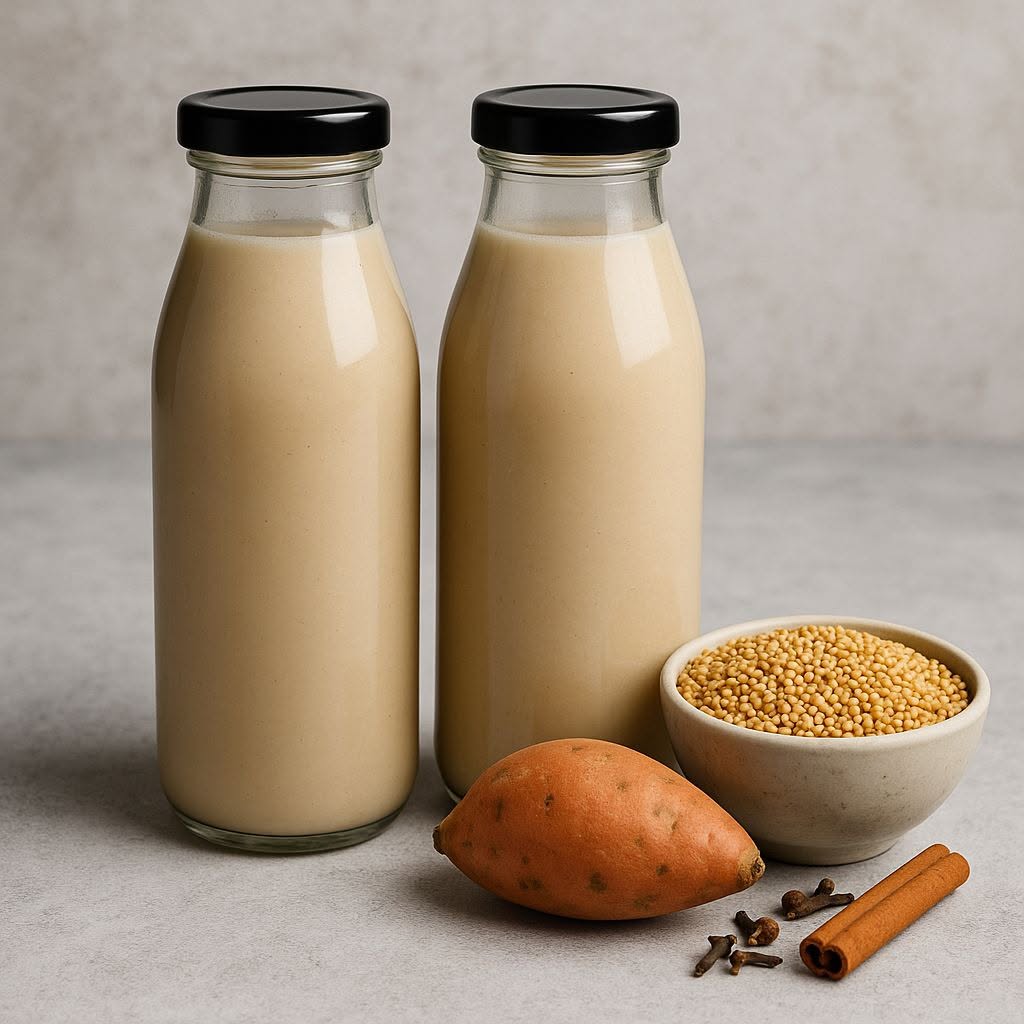
Fermented foods like ogi (pap) and other grain-based meals support gut health and improve digestion.
Wellness insight: Fermentation introduces beneficial bacteria and increases nutrient availability.

5. Sun-Drying and Natural Preservation
Sun-drying vegetables, spices, fish, and grains is an ancient African preservation method.
Why it matters: No artificial preservatives—just nature doing the work.
6. Balanced Use of Natural Oils
Traditional African cooking uses oils sparingly, often relying on palm oil, groundnut oil, or shea butter in moderation.
Health perspective: These oils provide essential fats when used responsibly.
What Travelers Can Learn from African Cooking Methods
-
Eat freshly prepared meals
-
Avoid overly processed foods while traveling
-
Choose soups, stews, and grilled options
-
Appreciate slow food over fast food
African cooking teaches that healthy eating doesn’t have to be complicated.
Final Thoughts
Traditional African cooking methods are a reminder that wellness begins in the kitchen. These time-tested practices nourish the body, respect nature, and celebrate culture.
With Crystalbeds Africa, food becomes more than a meal—it becomes part of the journey toward healthier, more meaningful travel.